
Why We’re Unionizing
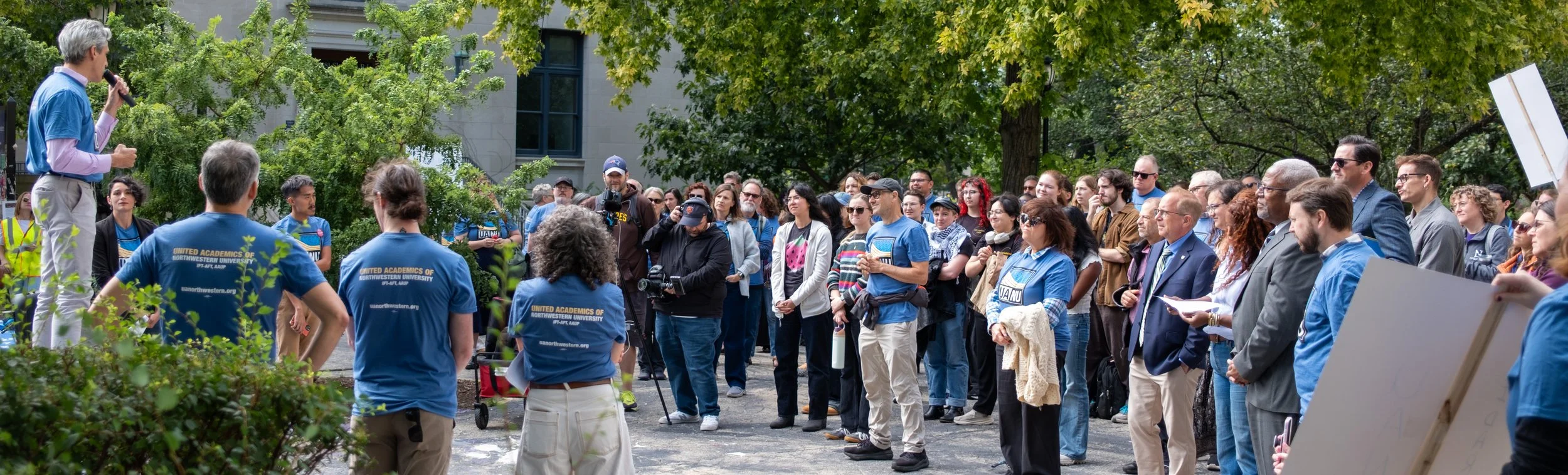
Ten years ago, non-tenure and adjunct faculty voted not to unionize by a very narrow margin. Since then, we’ve lived through years without raises, austerity measures because of financial mismanagement, the suspension of retirement contributions, the erosion of benefits, and threats to academic freedom. The issues that drove the first unionization effort remain unaddressed, including disparities in pay, salary compression and inversion, and lack of transparency in promotion and renewal. Teaching faculty remain without a meaningful voice in the conditions impacting our work and our students’ education.
For the last two years, a group of faculty members representing every undergraduate school at Northwestern have been talking to colleagues at all ranks about unionization. We’ve explored not only how a union can improve our professional lives and standing at Northwestern, but also what kind of union will best represent our interests.
We chose to work with the Illinois Federation of Teachers (IFT), a Union of over 100,000 members that represents academics and graduate students throughout the state. Most important for us, however, is the IFT’s emphasis on grassroots organizing. Together, we are building a truly representative, faculty-led Union.
What Faculty Are Saying

“For nearly two years, faculty have been talking with one another about what we need to help build a stronger Northwestern. Again and again, we have heard that our colleagues want a meaningful voice in the decisions that affect our work and our students.”
— Averill Curdy, faculty in English

“When faculty have a democratic voice, we will be better positioned to advocate for the programs, resources and opportunities our students need to succeed.”
— Jesse Yeh, faculty in Legal Studies

“There is a real buzz on campus among faculty. We are excited about the opportunity to form our union and have a voice in the decision-making at NU that impacts our careers, our students, and the future of this institution we love.”
— Steph Knezz, faculty in Chemistry

“One of the most important things that attracted me to NU when I was on the job market in 2023 was its commitment to DEI and to addressing structural barriers that affect students and faculty. Over the past few years, however, the shift in language and the loss of many of these policies have created a real sense of uncertainty, especially for people like me who have relied on them to feel safe and valued in academia. For me, unionization would be a direct response to the safeguards that have been eroding and would give faculty a stronger collective voice to continue advocating for DEI, especially for colleagues facing vulnerabilities related to immigration status, job security, salary disparities, and other inequities!”
— César Hoyos Álvarez, faculty in Spanish & Portuguese

“Employment protections, including ‘the right to form and to join trade unions,’ are the focus of Article 23 of the Universal Declaration of Human Rights (1948), which was co-written by and adopted by the United States. We know that the Northwestern University community cares deeply about human rights. We not only care about teaching the history of human rights, but also helping to uphold them in our world today, including here at home.”
— Danny M. Cohen, faculty in the School of Education & Social Policy

“A union can ensure that each school has clearly defined requirements for hiring, retention, and promotion and applies them consistently. It gives faculty access to information and a pathway to address discrepancies. It builds fairness into the system.”
— Stacy Benjamin, faculty in the Segal Design Institute

“As a proud graduate of Northwestern University, I am thrilled to teach here as an adjunct, but as the equally proud daughter of a Chicago Teachers Union educator, I’m well aware that pride and pedigree don’t put food on the table. Being an academic doesn’t mean I’m not a worker, and identifying as a worker doesn’t make me less of an academic and educator. Collective bargaining for the labor force that is in the classroom benefits Northwestern students, staff, and our fellow faculty in other positions.”
— Hope Rehak, faculty in Radio/Television/Film
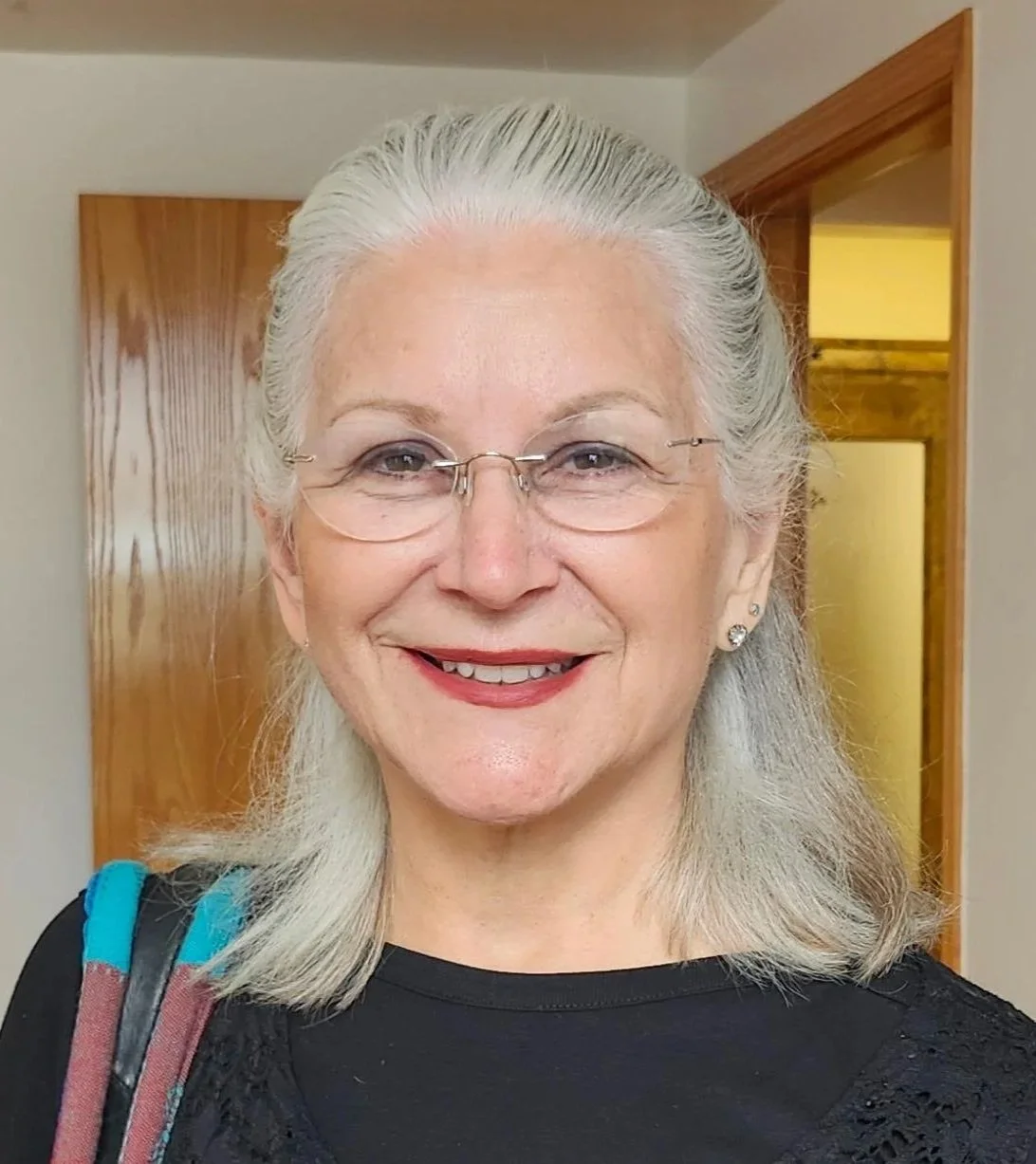
“I have 32 years in academia: three institutions (all private); 2 of them R1s; and I was tenured and worked for 17 years at one. Sadly, I’ve never experienced a transparent, clear negotiation for salary and benefits. I have experienced serving and watched others serve at the mercy (or mercilessness) of each administrative team and its many layers of leadership and decision making. Non-tenure-track and part-time appointments should be made with measurable, equitable standards in place across all disciplines. What incentive does an administration have to put such standards in place? Save for the occasional team or individual with both vision and conscience, there are no systems to support fairness and equity unless workers unionize.”
— Patrice Michaels, faculty in Voice & Opera
“I was a grad student at the University of Chicago when the graduate workers unionized, and the union brought our pay from $30,000 to $45,000. It proved that the university could do what they claimed was impossible regarding raises, it just takes people brave enough to do the work of asking for it.”